

What Your Doctor Wants You to Know About Breast Cancer
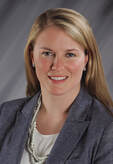
October is Breast Cancer Awareness Month, and few people are better positioned to cut through the noise around screening and risk than Dr. Juliana Meyer, a board-certified breast and melanoma surgeon with Franciscan Physician Network Breast & Melanoma Specialists in Indianapolis and Carmel. Here, she answers the questions she hears most in her exam room, from when to start getting mammograms to what dense breast tissue actually means for your risk.
|
Expert advice from Dr. Juliana Meyer of Franciscan Physician Network Breast & Melanoma Specialists
|
|
Juliana E. Meyer, MD
Board Certified Breast and Melanoma Surgery |
|
Q: When should women start getting mammograms, and how often?
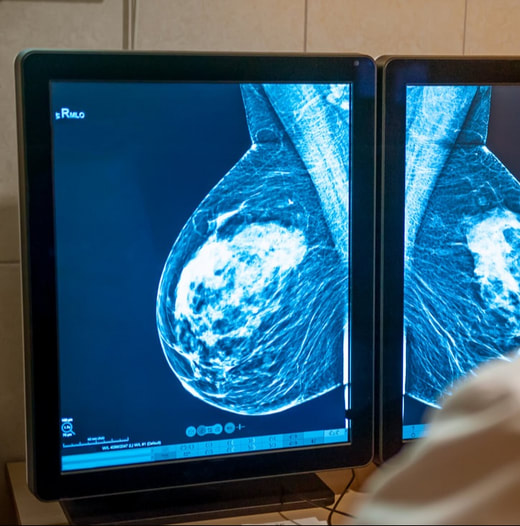
A: Mammograms should begin at age 40 for women at average risk, or earlier for those with a family history or other risk factors. Insurance generally covers a yearly mammogram, which is the frequency recommended by the American College of Radiology, the American Society of Breast Surgeons and the National Comprehensive Cancer Network. Q: What's the one thing you wish every patient understood about breast cancer risk? A: Many people assume a family history of breast cancer means they will get it too, but according to the American Cancer Society, only 5 to 10 percent of breast cancer cases are hereditary. If you do have a family history, share it with your primary care provider. Franciscan Health offers a high-risk breast cancer clinic to accurately assess your risk, along with genetic counseling and testing that can help you and your physician build a surveillance and prevention plan if needed. Q: What's the truth about dense breast tissue? A: Dense breast tissue is more common than most people realize. About half of women have dense breasts, meaning more glandular and fibrous tissue than fat. Dense tissue can make it harder to spot cancer on a mammogram, but a yearly mammogram is still essential. Your results will note your density category, from mostly fatty tissue to extremely dense, and depending on where you fall, your physician may recommend a breast MRI in addition to your regular screening. Dense breasts are another good reason to be seen at our high-risk breast clinic, where we help patients navigate these questions. We've also seen an increase in pop-up breast ultrasound screenings at wellness clinics over the past year, and I understand the appeal. Women want to be proactive. But a yearly mammogram is still critical, and your medical team should guide you on any additional screening you may need. If you meet the criteria for extra screening, it's often covered by insurance, which isn't usually the case with self-pay pop-up programs. Q: What's your advice for someone who notices a change between screenings? A: Know what's normal for your breasts. Many women focus a self-exam only on checking for lumps, which is important, but you should also watch for changes such as thickened or dimpled skin, a nipple that turns inward, discharge, or pain that doesn't go away. If you notice any of these, contact your primary care provider for an evaluation. Q: What's a myth about lifestyle and breast cancer risk you'd like to correct? A: People often think exercise is only about weight loss, not general health or cancer prevention. Getting 30 minutes of exercise five days a week, or 150 minutes total, can lower your risk of breast cancer. Maintaining a healthy weight matters, too, since obesity is linked to a higher risk. |
Q: What's the first step for someone who's anxious about a family history or putting off their first mammogram?
A: Knowledge truly is power. The earlier we find breast cancer, the less likely it is to spread. It can feel overwhelming to make that first appointment, but knowing you're being proactive with your health is empowering. Q: What's one hopeful, forward-looking statement about how far detection and treatment have come? A: Between three-dimensional mammograms and a much better understanding of risk factors, we have more tools than ever to catch cancer early and prevent it from reaching a higher stage. That translates into an exceptionally high cure rate. Breast cancer is scary, and it's far too common. But researchers have made enormous progress in understanding how different every cancer is. We can now target each individual cancer for treatment, with the goal of preventing it from ever coming back. |
To schedule a mammogram, visit FranciscanHealth.org/BreastCare.